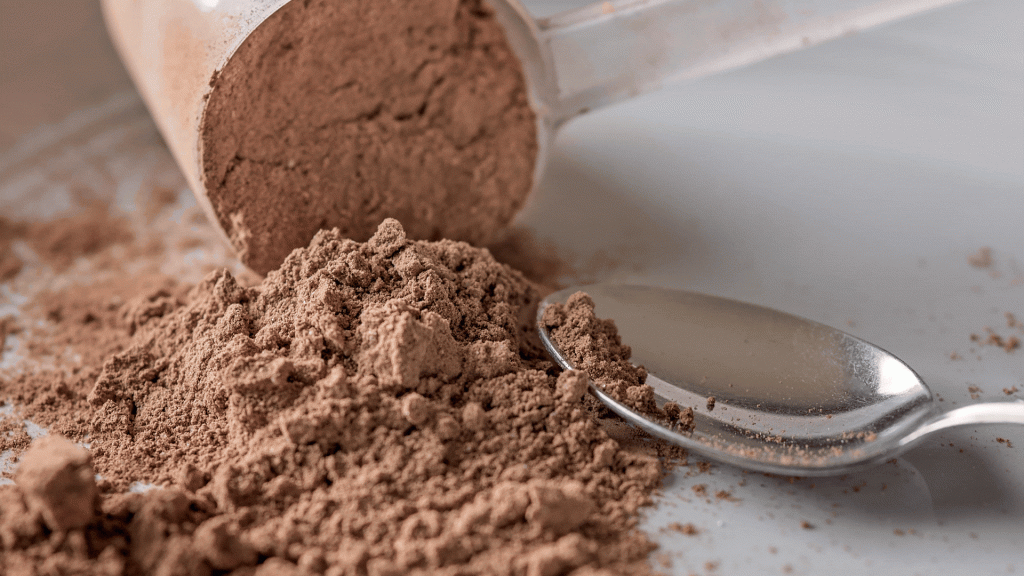
The NHS Type 2 Diabetes Path to Remission Programme consists of 12 weeks of total diet replacement (TDR), using shakes and soups, and a gradual transition to a healthy, balanced diet. While many participants experience positive results with this method, some find it challenging to maintain weight loss after the TDR phase.
There are several reasons for this. One significant factor is that when we drastically reduce our calorie intake, our bodies can interpret this as a state of famine. In response to this perceived threat, our bodies activate protective systems to guard against starvation.
Hormones such as ghrelin and leptin play a key role in this process. Ghrelin, known as the “hunger hormone,” is produced in the stomach and signals to the brain that we need to eat. When calorie intake is reduced, ghrelin levels can rise, leading to increased hunger and stronger cravings. Conversely, leptin, produced by fat cells, helps regulate energy balance by inhibiting hunger. During periods of calorie restriction, leptin levels may decrease, further intensifying the urge to eat.
These hormonal responses can make it challenging to maintain weight loss after a low-calorie diet as the body attempts to restore depleted energy reserves. But you can do something about this!
Here are four game-changing tips to help you effectively manage your weight after the TDR phase:
Eat a Healthy, Balanced Diet
A healthy, balanced diet that includes vegetables, whole grains, fruits, lean proteins, nuts, seeds, and legumes is essential for effective weight management. These nutrient-dense choices can help stabilise blood glucose levels and promote steady energy. This stability is crucial because fluctuating blood glucose levels can trigger the release of ghrelin, resulting in increased hunger and cravings.
Moreover, a balanced diet helps maintain appropriate leptin levels. Leptin signals to the brain that you have enough energy stored, which helps inhibit hunger. When you include high-fibre foods in your meals, like fruits, vegetables, and whole grains, they promote satiety and can help prevent the blood glucose peaks and troughs contributing to feelings of hunger. This helps keep ghrelin in check and supports the body’s natural ability to regulate appetite.
Furthermore, adequate protein intake, often found in lean meats, fish, legumes, and dairy, can enhance feelings of fullness and increase satiety. This, combined with healthy fats from sources like oily fish, avocados, nuts, and seeds, contributes to balanced hormone levels essential for long-term weight management.
Pause before a second helping
It’s easy to fall into the trap of immediately reaching for a second helping, especially if your meal is delicious. After eating, pause and allow at least 15 minutes before going for a second helping. This waiting period gives your stomach the time it needs to communicate to your brain that it’s full.
Set a timer if necessary, and during this time, engage in conversation, enjoy the ambience, or even sip water or herbal tea. By the time the 15 minutes have passed, you may find that you’re pretty satisfied with what you’ve already eaten, and a second helping isn’t necessary after all.
Embrace Mindful Eating
Cultivating awareness during meals can dramatically transform your relationship with food. Take the time to savour each bite and relish the flavours in your meal. This will encourage you to slow down and truly appreciate your food’s textures and aromas, enhancing your enjoyment and satisfaction.
Listening to your body’s natural hunger cues is also essential to mindful eating. Understanding when you’re truly hungry and when you’re eating due to stress, habit, or boredom can help you make more conscious choices about what and how much to eat. This heightened awareness fosters a sense of control over your eating habits, empowering you to respond to your body’s needs rather than external triggers.
Incorporating mindfulness into your meals can also help prevent mindless snacking or overeating. Eating attentively makes you less likely to engage in automatic eating behaviours, such as consuming snacks while watching TV or eating quickly in a rushed environment. Instead, you can establish a more intentional relationship with food, enabling you to recognise when you’re satisfied and ready to stop eating.
Ultimately, this practice supports healthier eating habits and contributes to a deeper appreciation of your food. Embracing this approach can improve digestion and health outcomes and create a more positive mindset around food.
Ride the Cravings Wave
It’s common to crave sweet treats when you smell something delicious, especially after avoiding them during TDR. However, these cravings usually don’t last long. Acknowledging this can help you overcome the urge. Take a moment to check in with yourself: Are you genuinely hungry, or is the craving linked to emotional factors such as boredom, fatigue, or feeling down?
If you typically crave sweets after a main meal, consider cleansing your palate with a cup of green, peppermint, or ginger tea instead of reaching for dessert. This can be a refreshing way to end your meal without reaching for something sweet. Another option is to enjoy a piece of fruit with plain yogurt. This tasty combination can satisfy your sweet tooth while providing nutritional benefits.
Distraction techniques can also be beneficial. Engage in activities that capture your attention, such as going for a walk, reading a book, trying a new hobby, or calling a friend. Doing something enjoyable or productive can redirect your focus away from cravings. Additionally, practicing deep breathing, meditation, or a short workout can alleviate stress or boredom that may trigger cravings.
Regularly practising these techniques helps you build resilience against cravings, increasing your chances of effective long-term weight management.
In conclusion,
Successful weight management after the NHS shakes and soups diet requires a holistic approach emphasising healthy eating habits, mindfulness, and self-awareness. You can foster a more sustainable relationship with food by prioritising a balanced diet, allowing time to gauge hunger before subsequent food servings, practising mindful eating, and allowing sufficient time for cravings to pass.
These strategies support long-term weight management and contribute to overall well-being and healthier lifestyle choices. Which of these tips will you implement today?
 Glucose Well