Understanding inflammation is essential, especially for women in midlife, as it plays a crucial role in overall health. Essentially, inflammation is the body’s way of signalling that something is amiss, usually due to infection or injury. You might notice signs like redness, swelling, or pain, all of which are part of the body’s healing process.
Under normal circumstances, inflammation should subside as we recover. However, sometimes, it lingers, leading to low-grade or chronic inflammation, which can contribute to various health challenges later on. This is particularly relevant for women experiencing hormonal changes during midlife due to perimenopause and menopause.
These hormonal shifts, especially the decline in oestrogen levels, can heighten inflammation in the body. Consequently, women in midlife may find themselves more susceptible to inflammation-related health issues.
Chronic inflammation has been linked to many conditions, including rheumatoid arthritis, Parkinson’s disease, lupus, various cancers, heart disease, and diabetes.
The good news is that you can control low-grade inflammation through your diet. Certain foods can help reduce inflammation, so incorporating them into your meals is a smart way to support your health during this life stage.
Here are five anti-inflammatory food groups to consider adding to your diet:
1 | Fruits and Vegetables are rich in antioxidants, vitamins, and minerals that offer anti-inflammatory benefits. Berries, leafy greens, and citrus fruits are particularly beneficial.
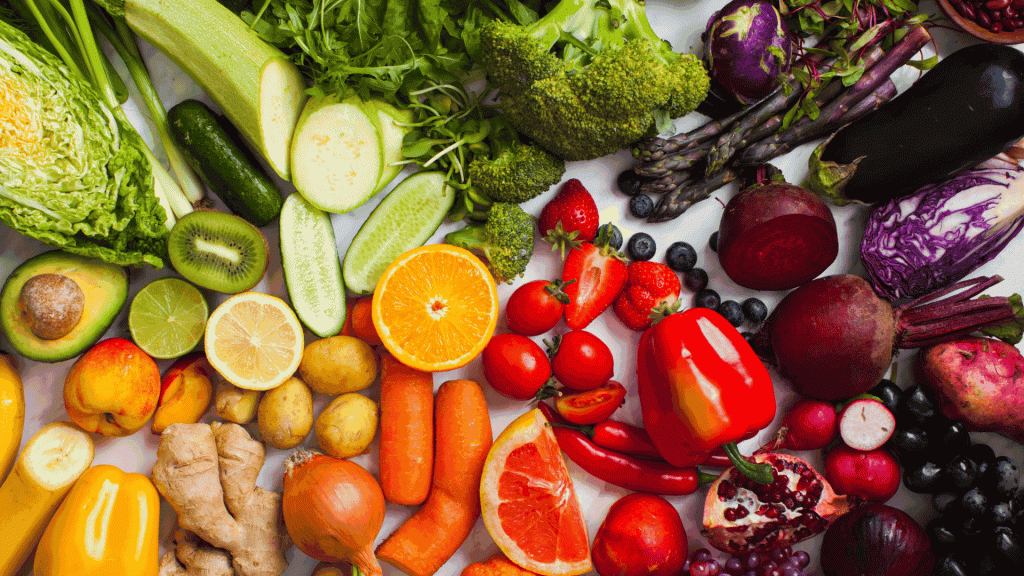
Berries contain anthocyanins, which have been shown to lower inflammation markers. Leafy greens like spinach and kale are abundant in vitamins A, C, and K, and flavonoids that can help combat oxidative stress. Tomatoes, especially when cooked, provide lycopene–another powerful antioxidant with anti-inflammatory properties. Research indicates that a diet high in these foods can help ease some inflammatory conditions often experienced during midlife, such as joint pain and hormonal fluctuations.
Always aim to eat a variety of colours of fruits and vegetables to obtain a diverse range of antioxidants; aim for five servings of vegetables and two servings of fruit each day.
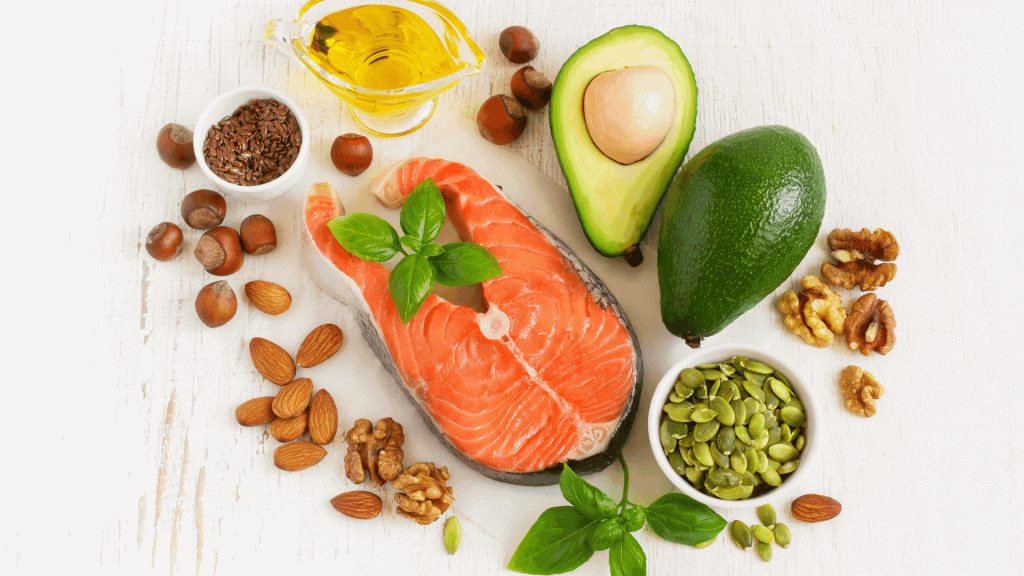
2. | Healthy fats, particularly poly- and monounsaturated fats, are rich in antioxidants and other anti-inflammatory compounds, such as omega-3 fatty acids, oleic acid, and phytosterols.
You can find these beneficial fats in various foods, including olive oil; oily fish such as mackerel, bream, and sardines; and avocados, nuts, and seeds.
3 | Whole grains and legumes are packed with dietary fibre, which has many health benefits. The hormonal changes women experience during midlife can impact metabolism and digestion.
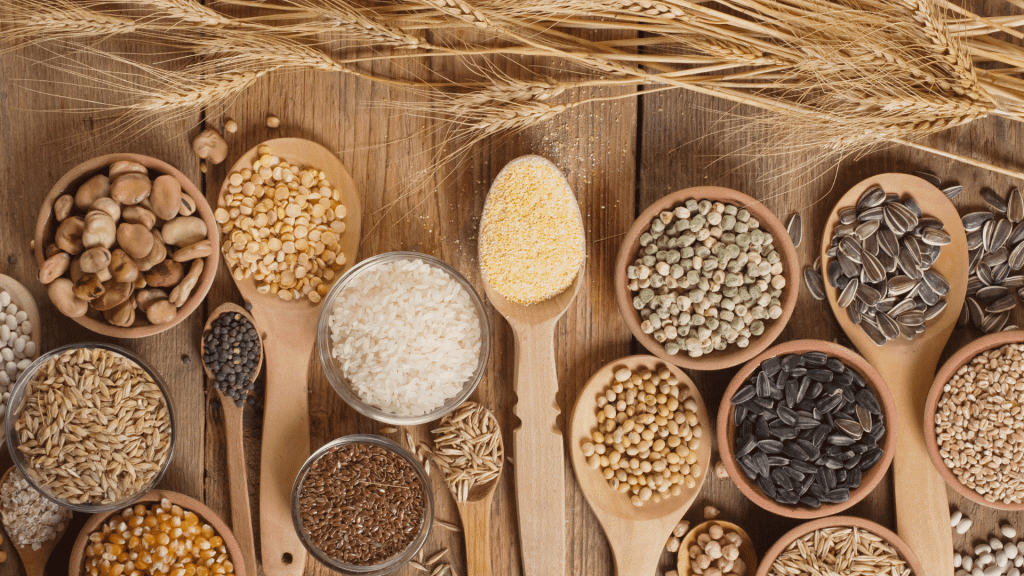
The fibre in whole grains and legumes slows digestion and helps maintain steady blood glucose and insulin levels. This is particularly beneficial for women, who may experience changes in insulin sensitivity with age. Stable blood glucose and insulin levels have a positive, anti-inflammatory effect on the body, alleviating symptoms related to perimenopause and menopause.
There’s growing recognition that having a healthy gut is vital for our overall health. Recent studies indicate that a diet high in fibre can greatly lower inflammation. This is accomplished through several pathways, one of which involves the production of short-chain fatty acids. These fatty acids have anti-inflammatory properties that can potentially help manage chronic conditions that frequently develop during middle age.
Quinoa, rolled oats, chickpeas, edamame, black-eyed peas, and maize are fantastic options. They provide plenty of fibre and are packed with essential nutrients that support well-being.
4 | Fish and seafood are rich in protein, omega-3 fatty acids, and minerals such as zinc, selenium, and iodine. Omega-3 fatty acids support heart health and reduce inflammation, which is crucial since hormonal changes during menopause can elevate LDL (bad) cholesterol and triglyceride levels, increasing the risk of heart disease. As omega-3 fatty acids must be obtained from food, aim for at least three servings of fish per week to meet your nutritional needs.
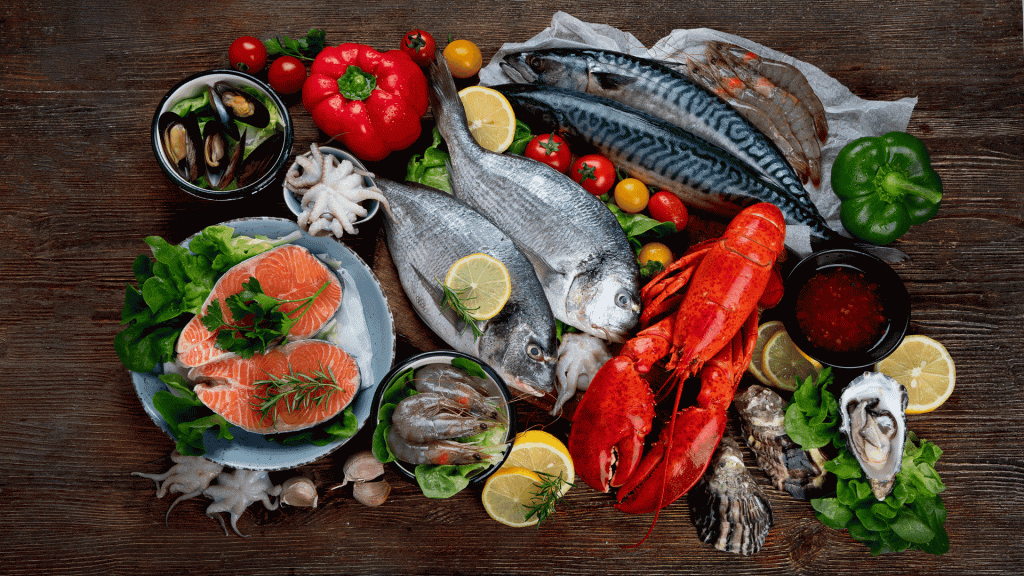
If you don’t eat fish, consider incorporating alternatives like walnuts, flaxseeds, chia seeds, hemp seeds, or edamame into your diet. These options can help enhance your omega-3 intake, providing essential nutrients that improve brain function and mood stability.
5 | Spices and herbs are essential for flavourful cooking and have added health benefits. Turmeric’s active compound, curcumin, is renowned for its anti-inflammatory properties. Ginger soothes digestion and fights inflammation, while garlic boasts a bold flavour and powerful antioxidants.
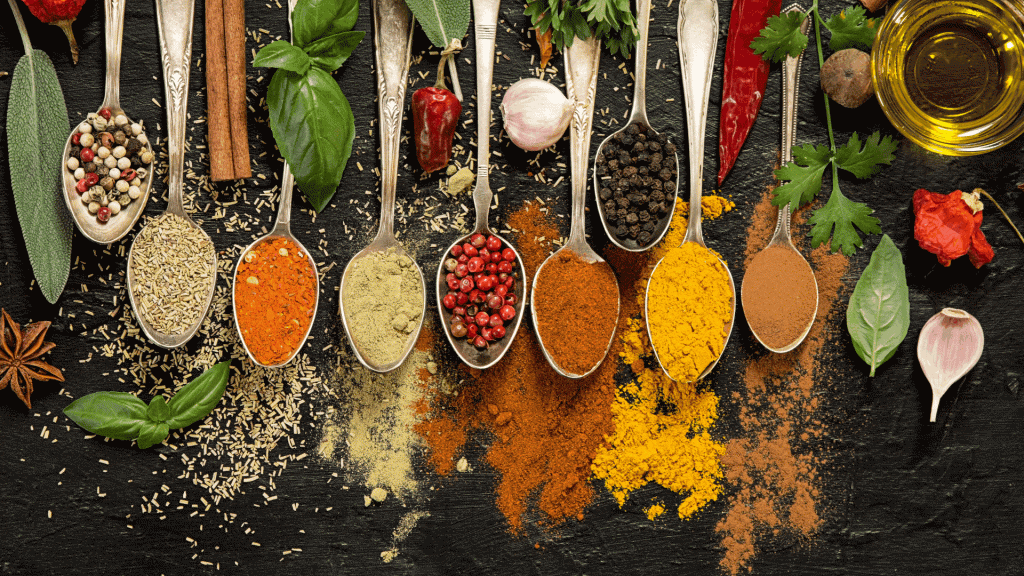
There are many other herbs and spices to consider. For instance, cumin adds warmth and has anti-inflammatory properties that may reduce arthritis symptoms. Oregano contains antioxidants like carvacrol, which can lower inflammation. Chilli pepper is rich in capsaicin, which can reduce pain, while parsley is packed with vitamins and flavonoids that support health. In short, incorporating these herbs enhances flavour and provides significant anti-inflammatory effects.
6 | Fermented foods, such as yogurt, kefir, sauerkraut, kimchi, and kombucha, offer significant benefits in the fight against inflammation. These foods are rich in probiotics, which promote a healthy gut microbiome, essential for maintaining optimal immune function.
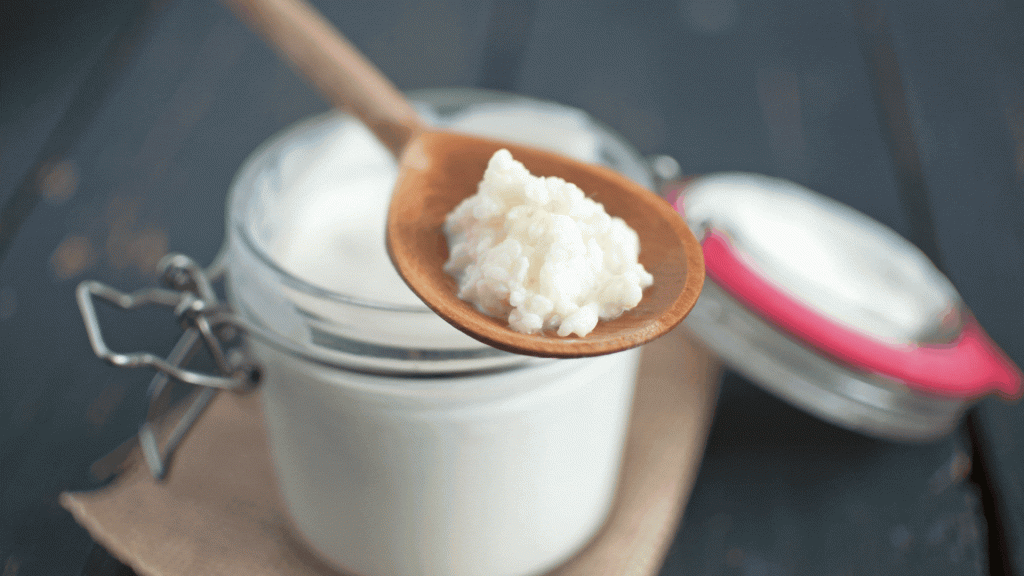
Additionally, fermented foods can be a source of bioactive compounds, including short-chain fatty acids, such as butyrate, propionate and acetate, that further contribute to their anti-inflammatory effects, making them a valuable addition to an anti-inflammatory diet.
In summary, managing inflammation is crucial for overall health, especially during midlife, when hormonal changes can increase the risk of several health conditions. Consistently incorporating these anti-inflammatory foods into your diet can significantly improve your well-being and reduce the risk of lifestyle-related conditions.
References
- Stromsnes, K., Correas, A.G., Lehmann, J., Gambini, J., & Olaso-gonzalez, G. (2021). Anti-inflammatory properties of diet: Role in healthy aging. Biomedicines, 9: 922. https://doi.org/10.3390/biomedicines9080922.
- Silva, T.R., Opperman, K., Reis, F.M., & Spritzer, P.M. (2021). Nutrition in menopausal women: A narrative review. Nutrients, 13: 2149. https://doi.org/10.3390/nu13072149.
- Erdelyi, A., Palfi, E., Tuu, L., et al. (2024). The importance of nutrition in menopause and perimenopause- A review. Nutrients, 16: 27. https://doi.org/10.3390/nu16010027.
- McCarthy M., & Raval, A.P. (2020). The peri-menopause in a woman’s life: a systemic inflammatory phase that enables later neurodegenerative disease. Journal of Neuroinflammation, 17: 317. https://doi.org/10.1186/s12974-020-01998-9.
- Yu, X., Pu, H, & Voss, M. (2024). Overview of anti-inflammatory diets and their promising effects on non-communicable diseases. British Journal of Nutrition, 132: 898-918.

 Glucose Well